

laminated low iron glass
Understanding Frame Levels A Comprehensive Overview In the realm of photography, videography, and design, the concept of frame levels plays a pivotal role in how we perceive and compose visual narratives. Frame levels refer to the various heights or angles at which a camera or a design element is positioned to capture or present a subject. This article seeks to explore the significance of frame levels, their impact on storytelling, and tips for effectively utilizing them in your work. The Importance of Frame Levels Frame levels are crucial in determining how a viewer interprets an image or a scene. Different frame levels can elicit varied emotional responses and can guide the viewer's eye in specific ways. For instance, shooting from a low angle tends to empower the subject, making them appear larger and more dominant. Conversely, a high angle can create a sense of vulnerability or insignificance, as the subject is seen from above. This manipulation of perspective is not just a technique; it’s a form of visual storytelling that can dramatically affect the narrative being conveyed. A photographer or filmmaker must carefully consider the frame level choices they make to ensure they align with the intended message or emotion. The Mechanics of Frame Levels Frame levels can be categorized primarily into three basic angles low, eye-level, and high . 1. Low Angle This approach involves positioning the camera below the subject. It generally creates a sense of scale and can elevate the subject’s impact. For example, in a film, a hero might be captured from a low angle during a triumphant moment, which visually reinforces their strength and authority. 2. Eye Level The most neutral frame level, typically representing how we view the world. This angle fosters a sense of equality between the viewer and the subject. It's often employed in documentaries and interviews as it facilitates a direct connection between the audience and the subject, conveying authenticity and relatability. frame levels 3. High Angle Shooting from above can diminish the subject’s presence, making them appear smaller or more vulnerable. This technique is often used in scenes that intend to evoke sympathy or may suggest a lack of power. Practical Tips for Implementing Frame Levels To effectively utilize frame levels in your work, consider the following strategies - Think about your subject Always have a clear understanding of the characteristics and emotions you want to convey about your subject. Choose a frame level that aligns with this narrative. - Experiment with angles Don’t be afraid to move around and explore various angles. Each change in frame level can reveal different nuances of your subject, contributing to a richer storytelling experience. - Pay attention to the surroundings The environment can also influence the impact of different frame levels. A cluttered background may detract from the subject, while a clean backdrop can enhance focus. - Review and Analyze After shooting, review your footage or images critically. Compare various frame levels and how they affect the visual narrative. This practice will help refine your skills and develop a more instinctual use of angles in future projects. Conclusion Frame levels are an essential tool in the arsenal of any visual storyteller, be it photographers, filmmakers, or designers. By understanding and effectively applying different frame levels, creators can significantly enhance their work, guiding the audience’s perception and emotional response. Whether you’re capturing a fleeting moment or crafting a carefully staged scene, the angles you choose can profoundly impact how your story is received. Embrace the power of frame levels, and let them elevate your visual storytelling to new heights.
about
laminated low iron glass
Replacing the Main Water Valve A Comprehensive Guide The main water valve is a crucial component in any plumbing system. It controls the flow of water into your home. Over time, this valve may develop leaks, become corroded, or fail to operate properly, leading to water supply issues. Replacing a faulty main water valve is essential to ensure a steady flow of water and prevent potential damage to your plumbing system. Here is a comprehensive guide on how to replace the main water valve effectively. Understanding the Main Water Valve Before diving into the replacement process, it's important to understand what the main water valve is and where it is located. The main water valve is usually found near the point where the water line enters your home, often in the basement, crawl space, or outside by the foundation. It is typically a quarter-turn valve that allows you to shut off the water supply to your entire home. Signs Your Valve Needs Replacing 1. Leaks If you notice water pooling around the valve, or if water drips continuously, it’s a sure sign that the valve may need to be replaced. 2. Corrosion Visible rust or corrosion on the valve body may indicate that it’s deteriorating and could fail soon. 3. Difficulty Turning the Valve If the valve is difficult to operate or does not fully shut off the water supply, replacement is likely necessary. 4. Age If your home was built many years ago and still has the original valve, consider replacing it as a preventative measure. Tools and Materials Needed Before starting the replacement, gather the following tools and materials - Pipe wrench or adjustable pliers - Screwdriver - Replacement main water valve - Teflon tape (plumber’s tape) - Towels or rags (to clean up any spills) - Bucket (to catch excess water) Step-by-Step Replacement Process replacing main water valve 1. Turn Off the Water Supply Locate the main water supply line leading to your home and turn off the water supply. This step is critical to prevent a mess and potential flooding. 2. Drain the Lines Open faucets throughout your home to drain any remaining water from the pipes. This will relieve pressure and minimize water spillage during the replacement. 3. Remove the Old Valve Using a pipe wrench, carefully loosen and unscrew the flanged connections of the existing valve. Be cautious as some remaining water may still leak out. Use towels or a bucket to catch any spills. 4. Prepare the New Valve Before installing the new valve, wrap the threads of the valve with Teflon tape to ensure a watertight seal. 5. Install the New Valve Position the new valve in place and secure it by tightening the connections with your pipe wrench. Ensure it is aligned correctly and the valve can easily be operated. 6. Turn On the Water Supply Once the new valve is installed, gradually turn the water supply back on. Check for any leaks around the new valve connections and tighten them if necessary. 7. Test the Valve Turn the valve to ensure it opens and closes smoothly. Test the water flow in your home to confirm that it operates correctly. Conclusion Replacing your main water valve may seem daunting, but with the right tools and a little bit of time, it can be accomplished successfully. Regular maintenance and timely replacement of plumbing components like the main water valve can save you from more significant issues in the future, ensuring your home remains a safe and comfortable place. If you are uncomfortable performing this task or run into complications, do not hesitate to contact a professional plumber for assistance.
-

High quality industrial productsagement

High quality industrial products
View Details -

Meet the diverse needs of customers

Meet the diverse needs of customers
View Details -

Strict quality control

Strict quality control
View Details -

Top raw materials

Top raw materials
View Details -

Trusted supplier

Trusted supplier
View Details
Our application

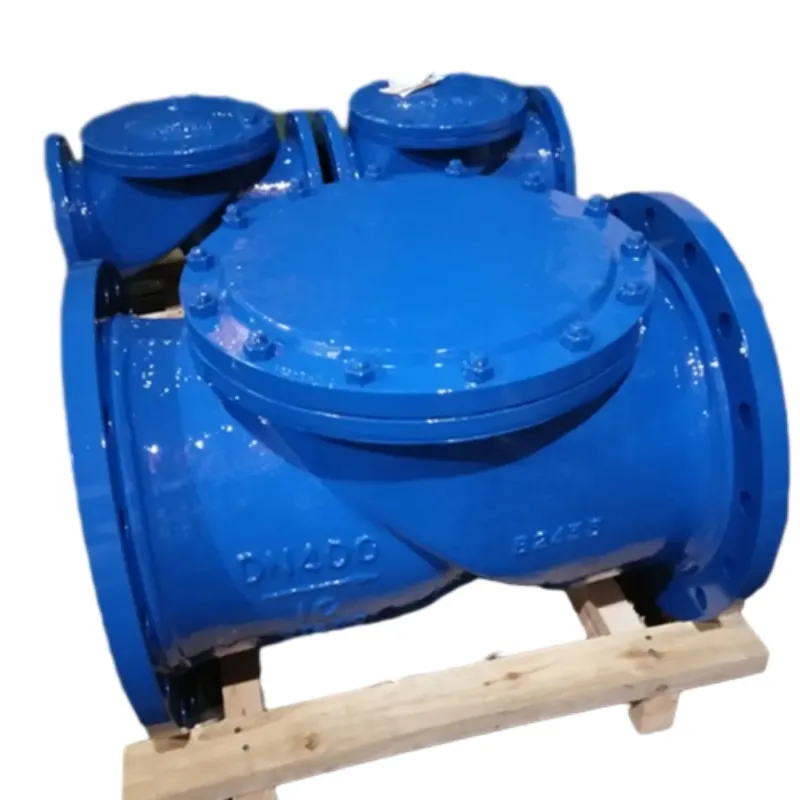
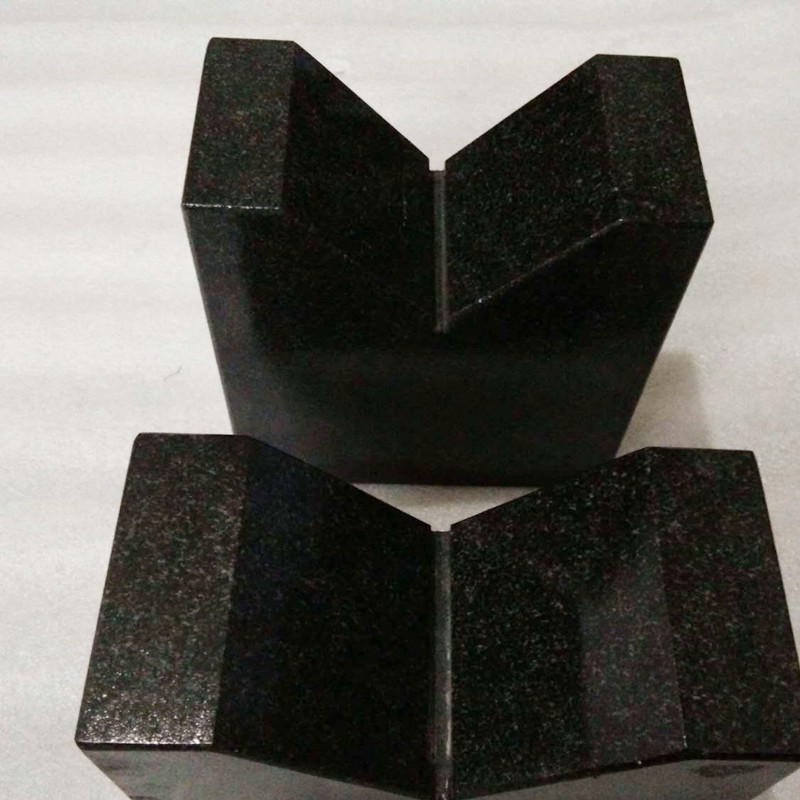

news and information
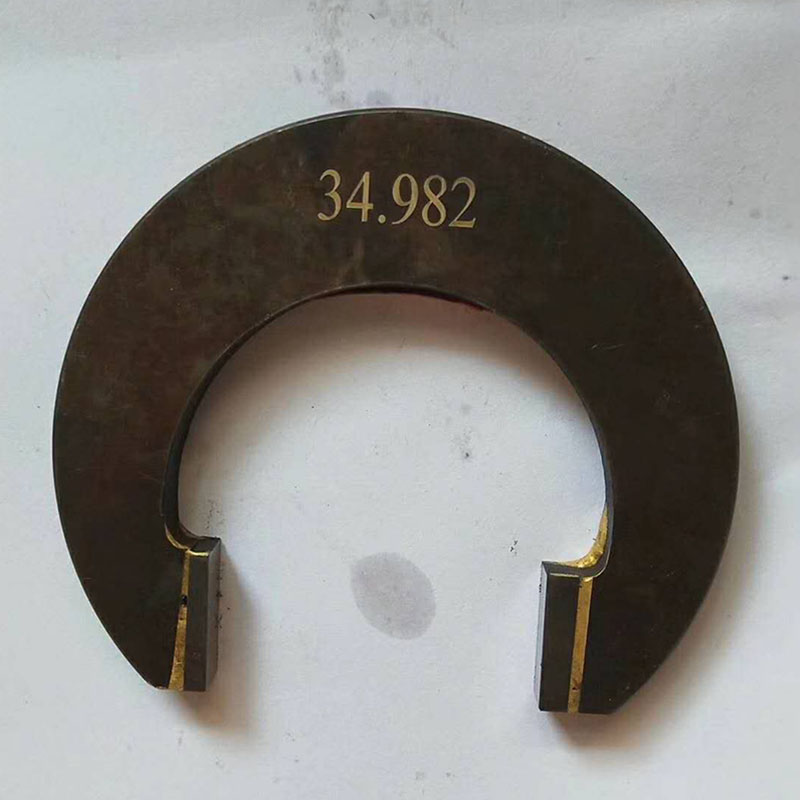
Wskaźnik pierścienia gwintu standardowy
Standardy narzędzi do pomiaru gwintów – Gniazdo gwintowe Standardy narzędzi do pomiaru gwintów – Gni
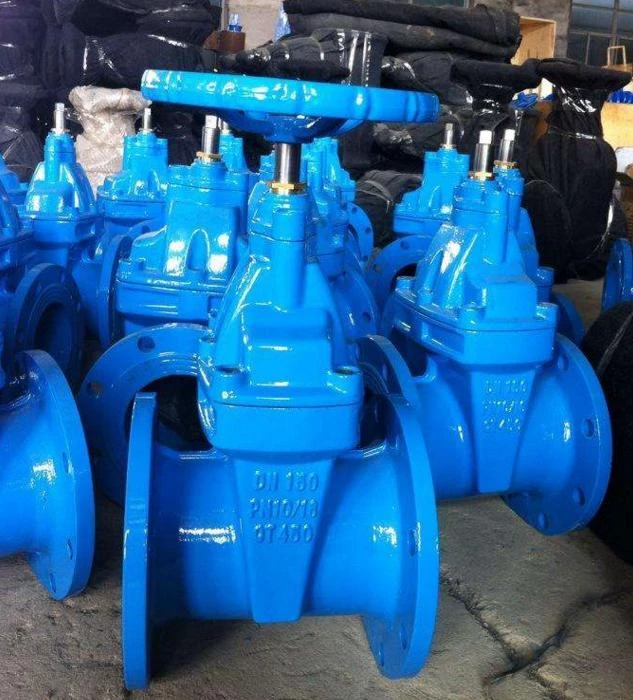
Ustawiony wskaźnik
Zestaw wskaźników pinowych – niezastąpione narzędzie w precyzyjnym pomiarze W dzisiejszym świecie, g
Welding Fabrication Techniques for Efficient Metalworking Projects
Understanding Welding Fabrication A Comprehensive Overview Welding fabrication is an essential part
 English